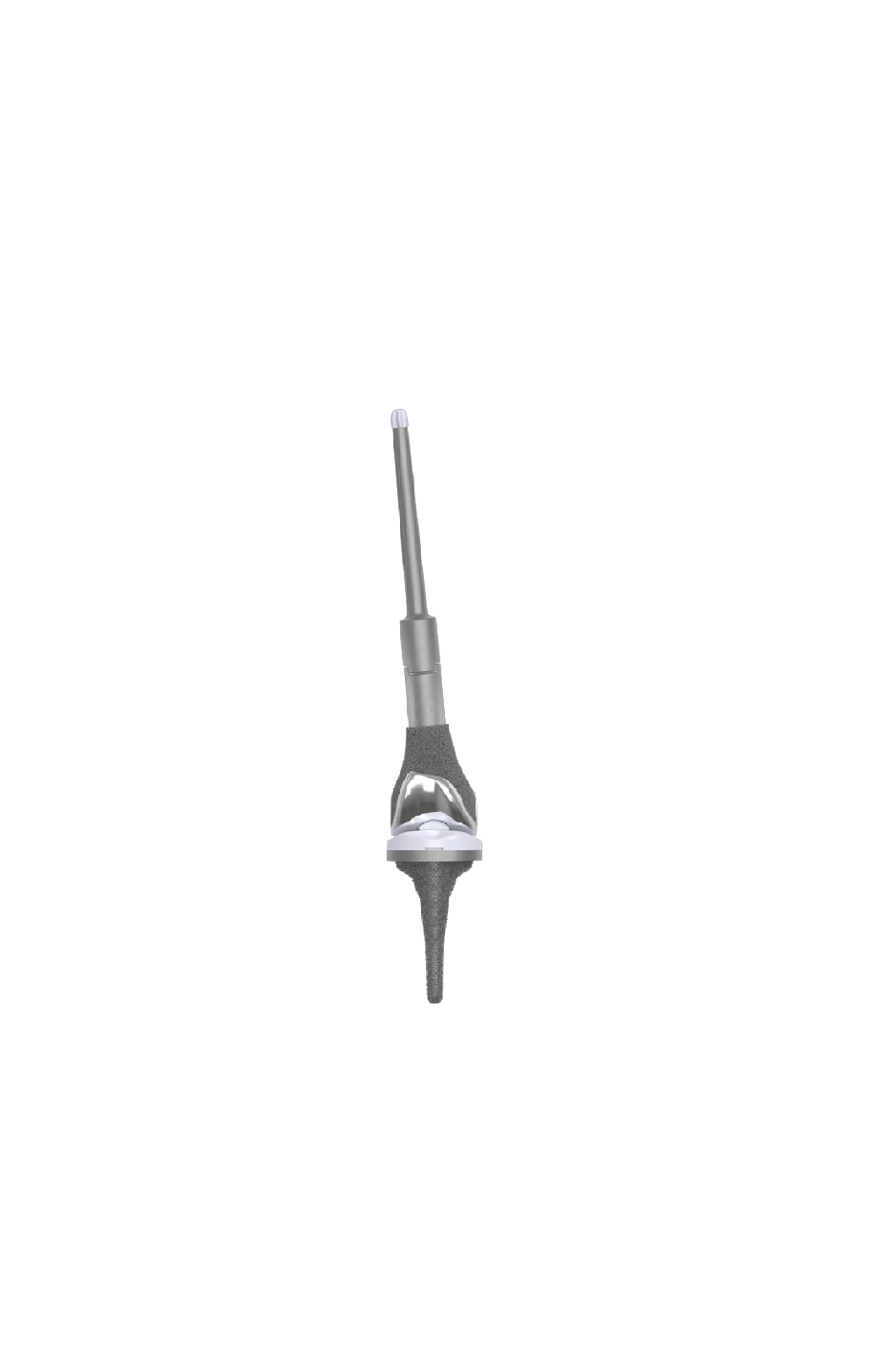
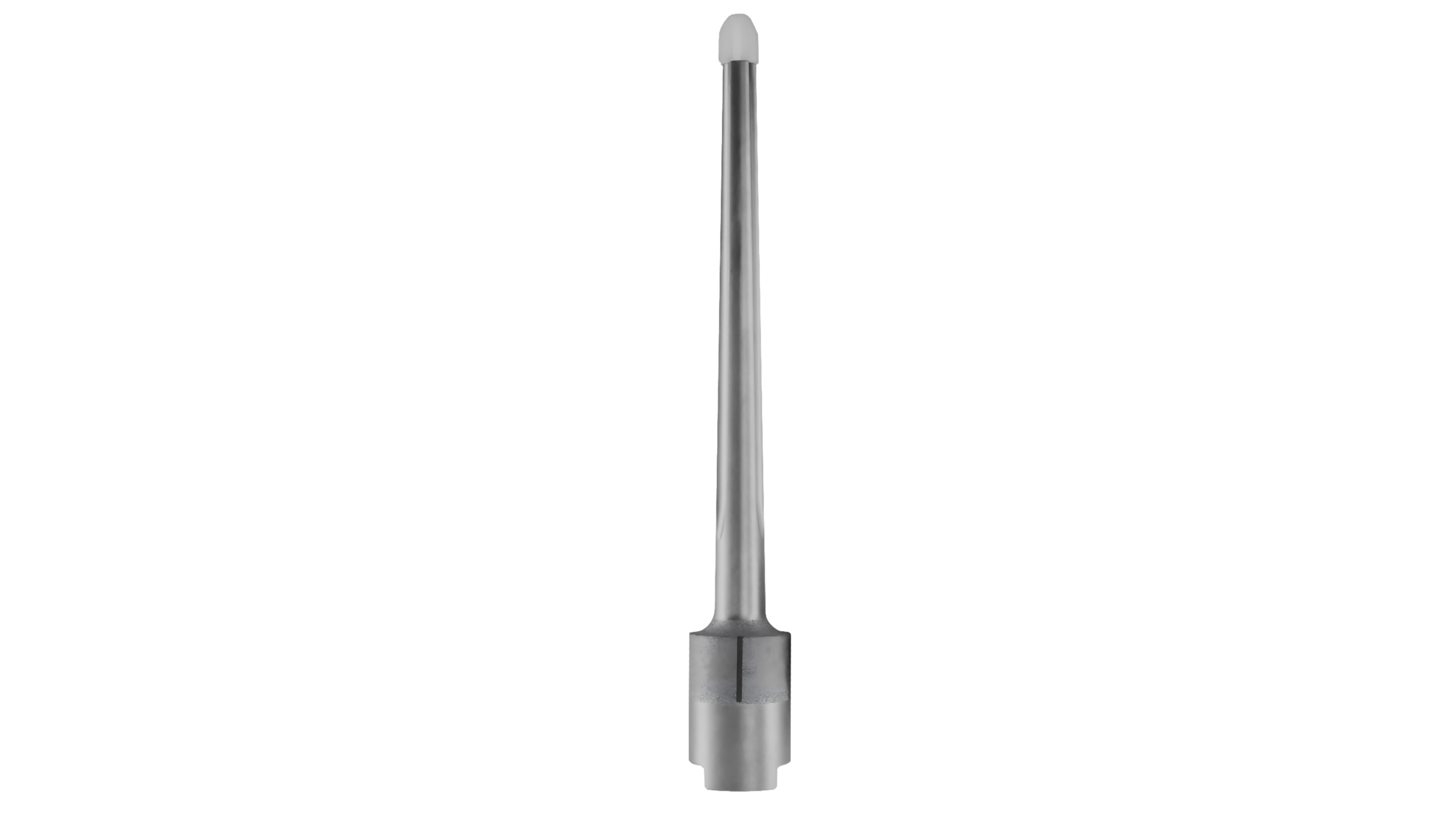
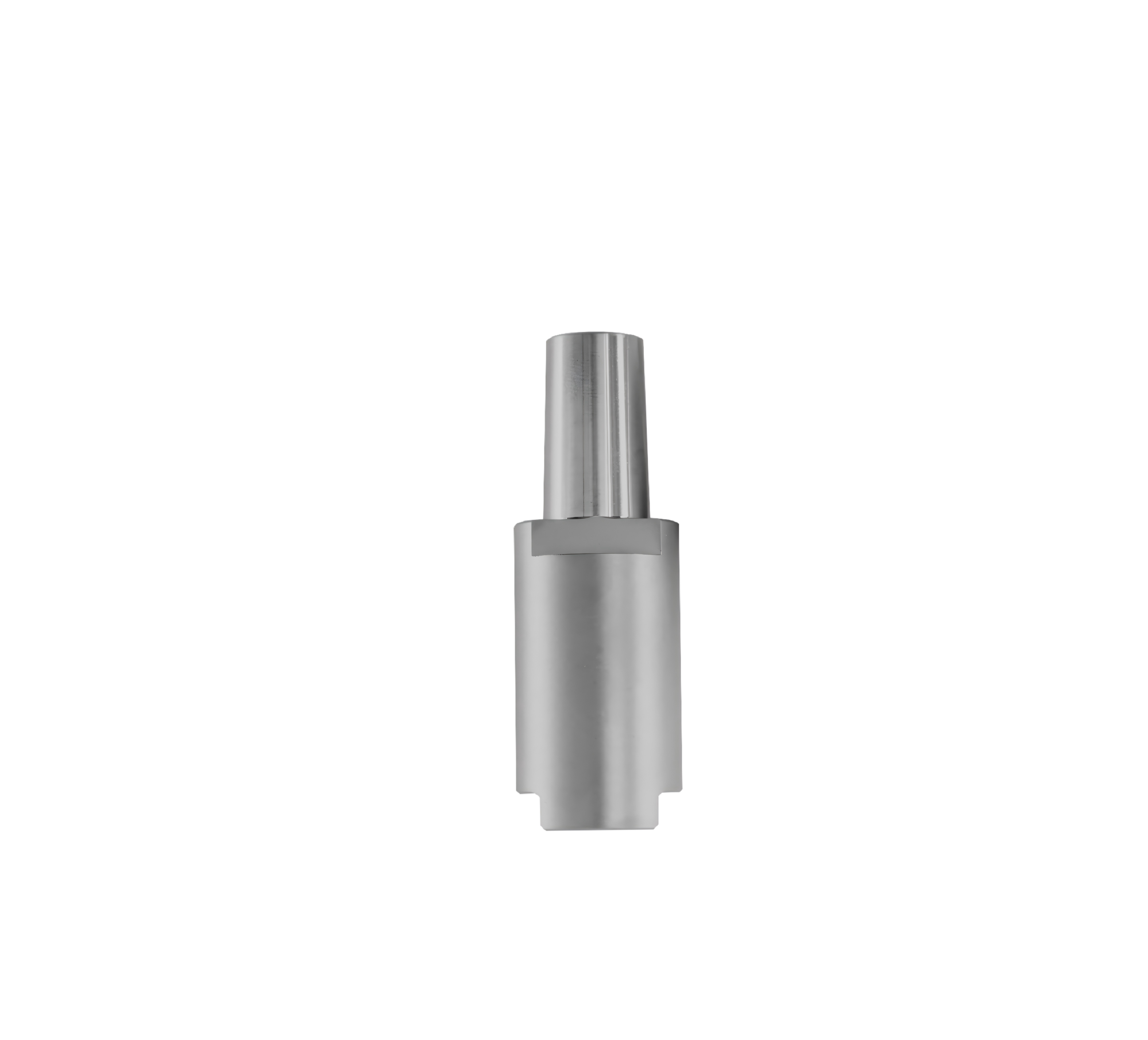
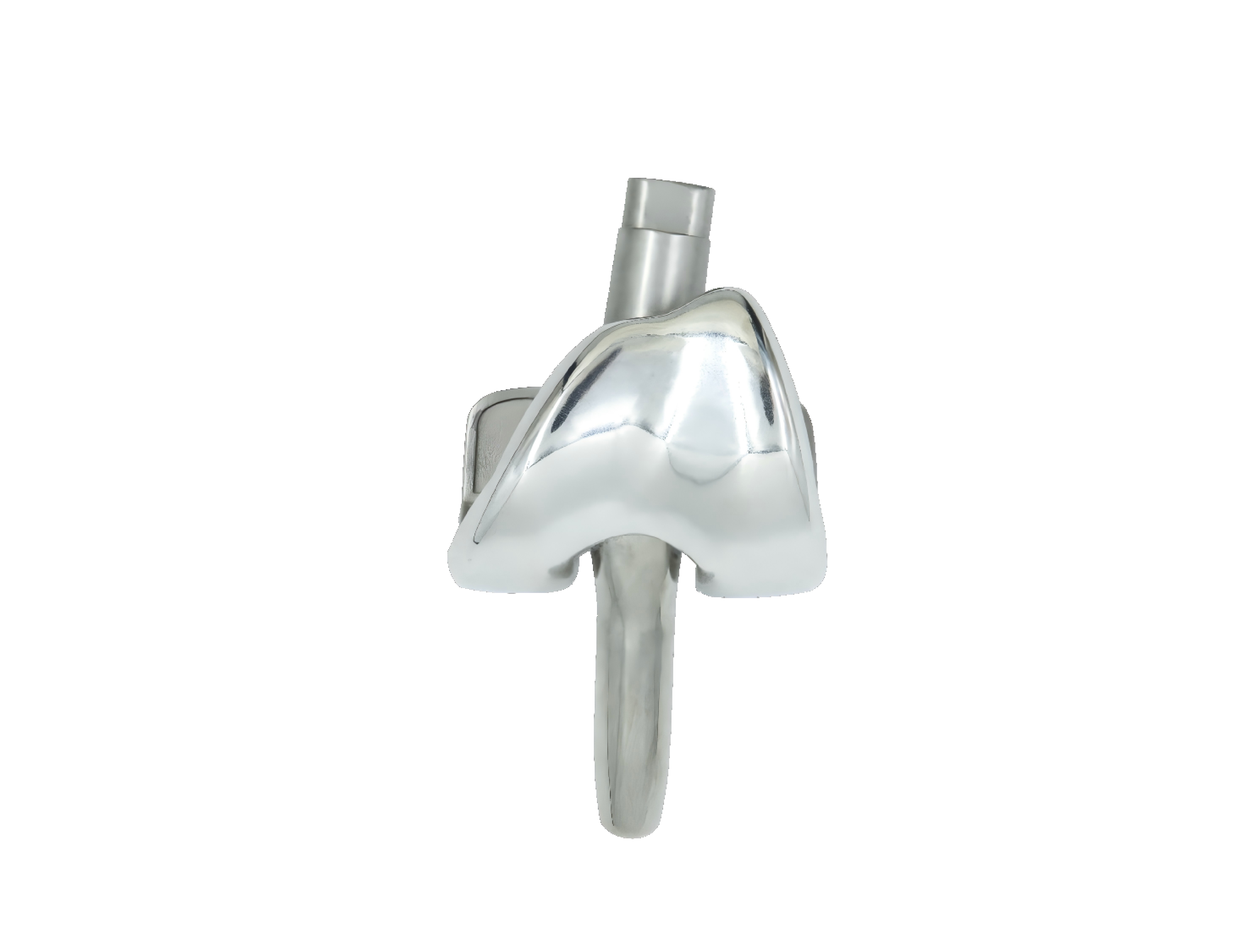
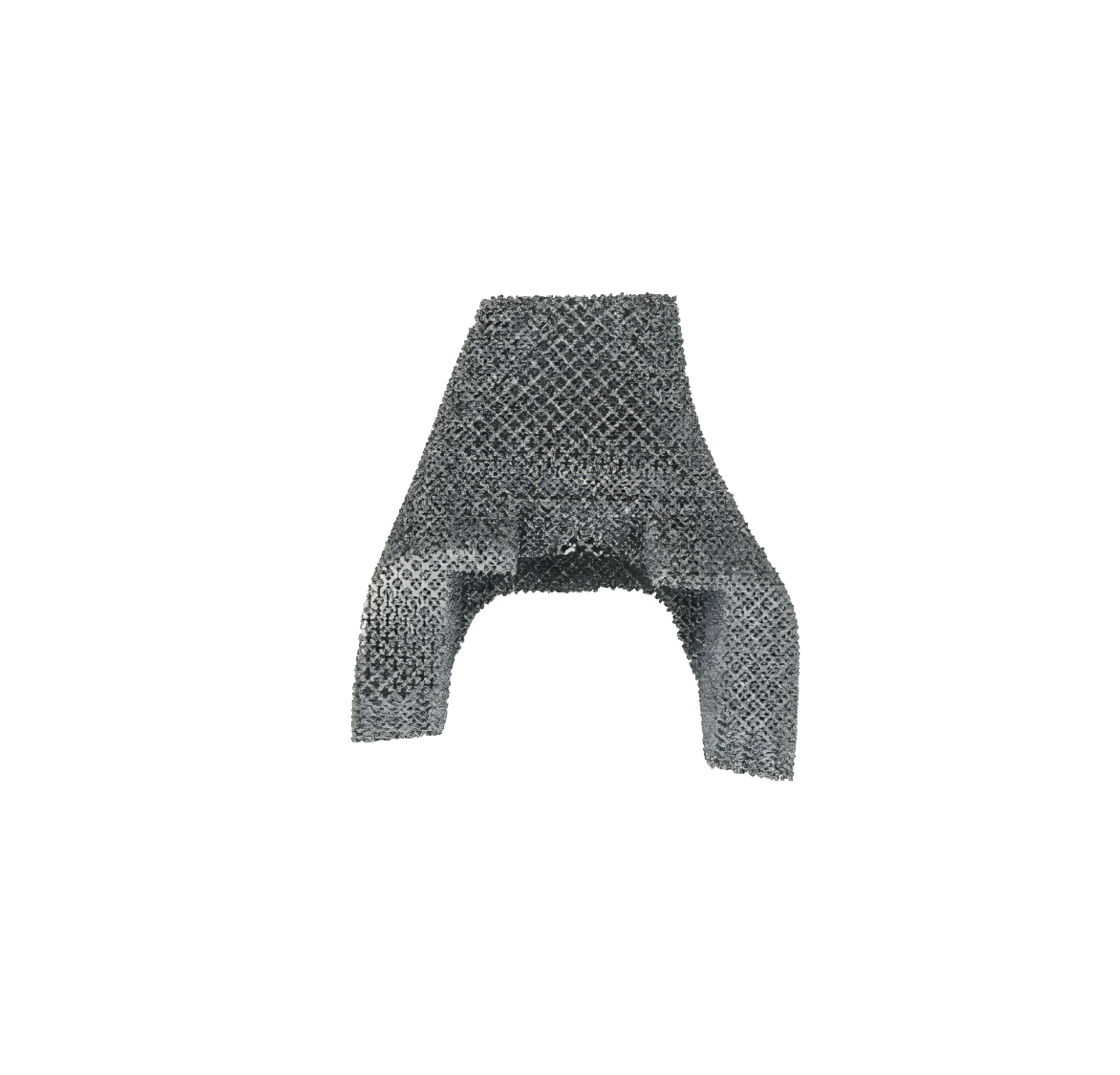
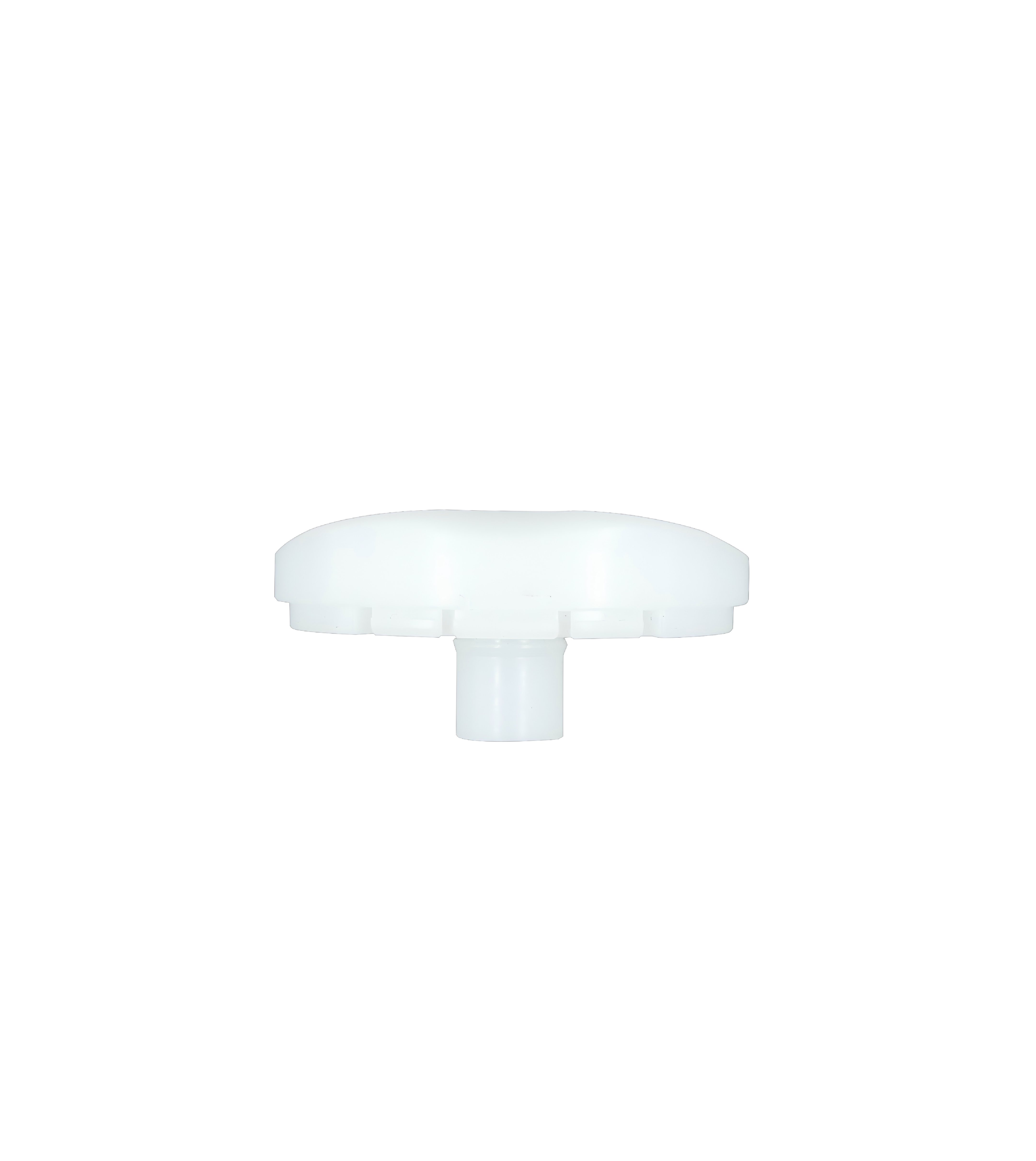
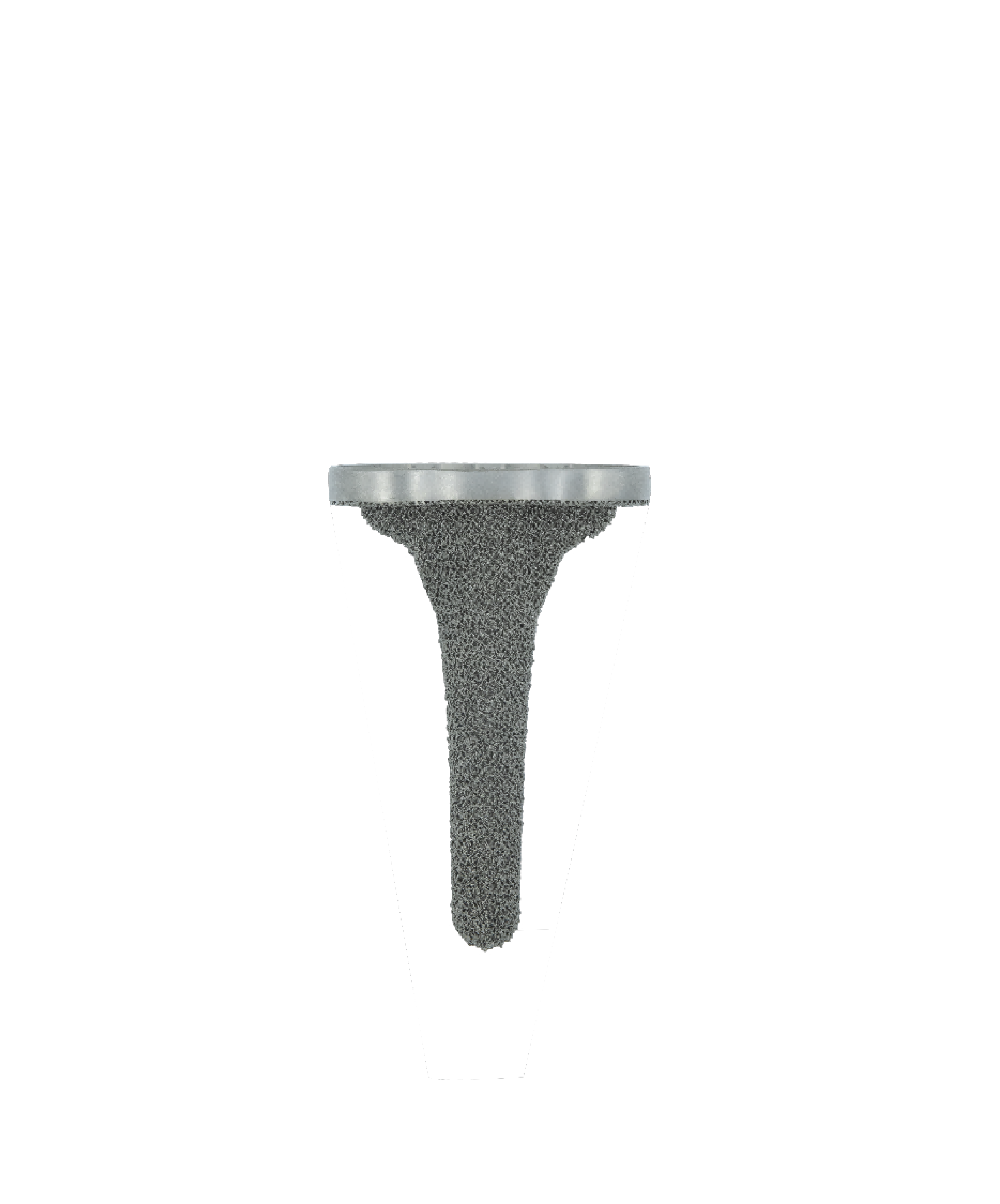
The knee joint prosthesis consists of Model GTDX and Model GTXX. The femoral condyles of the prosthesis are made of cast cobalt-chromium-molybdenum (CoCrMo) alloy. The tibial intramedullary nails, femoral intramedullary nails, osteotomy segments, adjustment pads Type 1, central shafts and tees are manufactured from forged titanium alloy (Ti6Al4V). The tibial tray and condylar outer sleeves are produced via rapid prototyping using titanium alloy powder (Ti6Al4V ELI). The tibial inserts, bushings, adjustment pads Type 2 and constraint components are made of molded ultra-high-molecular-weight polyethylene (UHMWPE). The osteotomy segments and femoral (tibial) intramedullary nails are fabricated from forged titanium alloy (Ti6Al4V) with their surfaces subjected to anodizing to form an oxide film.The 3D printing rapid prototyping process adopted is electron beam melting (EBM) additive manufacturing.
Scope of Application
For use as a cemented knee prosthesis, it is intended for use in conjunction with components of the same system, and indicated for total knee arthroplasty. This includes knee joint bone tumors, severe comminuted fractures, bone defects caused by multiple revision arthroplasties, as well as other diseases that result in knee joint bone defects.
Product Features
★ The additive manufacturing process enables the "tailor-made" customization of knee joint prostheses, with one-to-one design and production. It achieves a high degree of matching with the defect site of the patient’s knee joint. For patients with special lesions such as revision cases, extensive bone defects and irregular shapes, satisfactory expected therapeutic effects can be achieved.
Product Advantage
• The surface of the 3D-printed prosthesis features a bionic trabecular bone structure. Its interconnected internal network forms a honeycomb-like configuration that enables rapid and firm osseointegration, delivering excellent initial stability as well as mid-to-long-term stability.