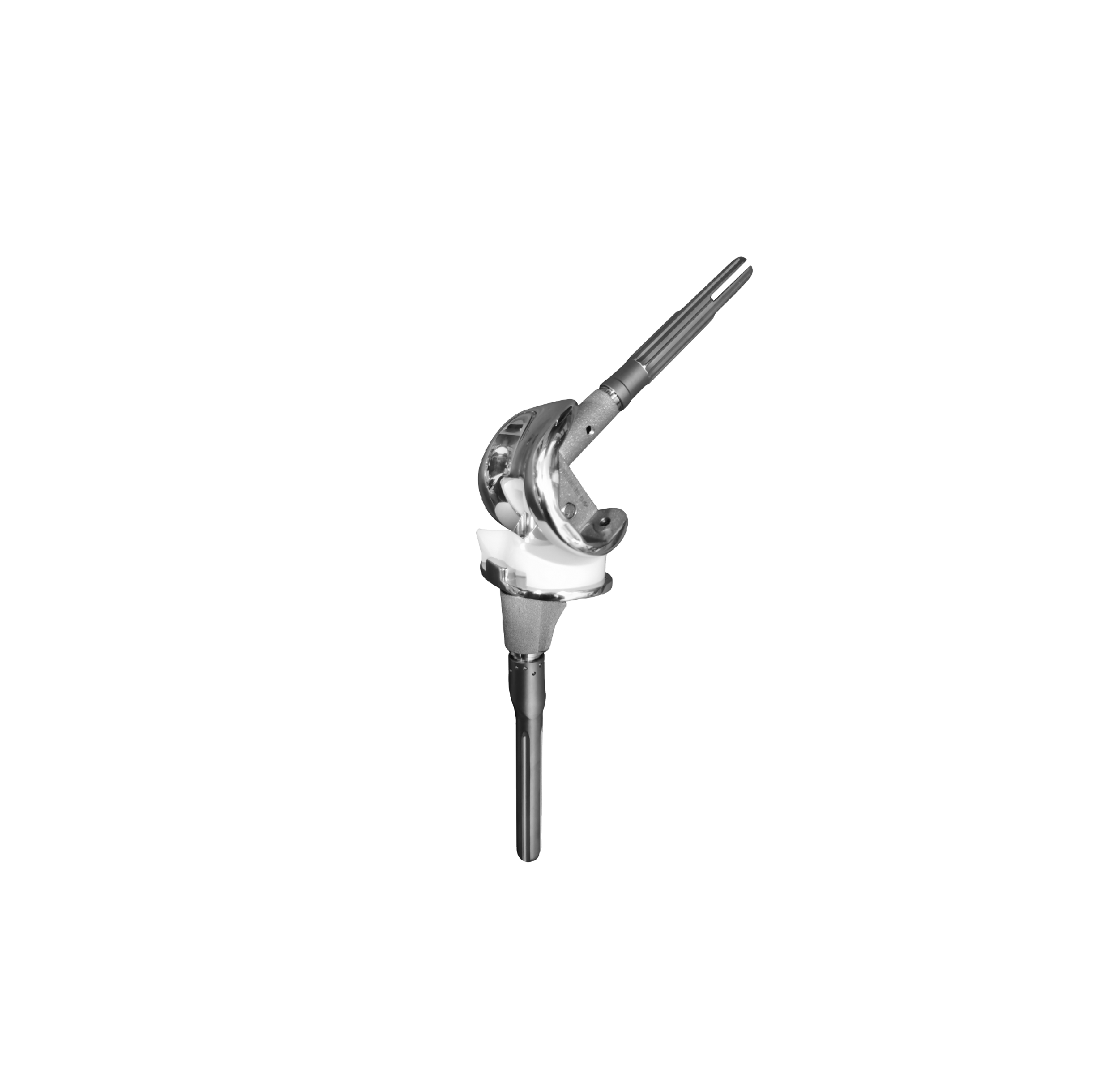
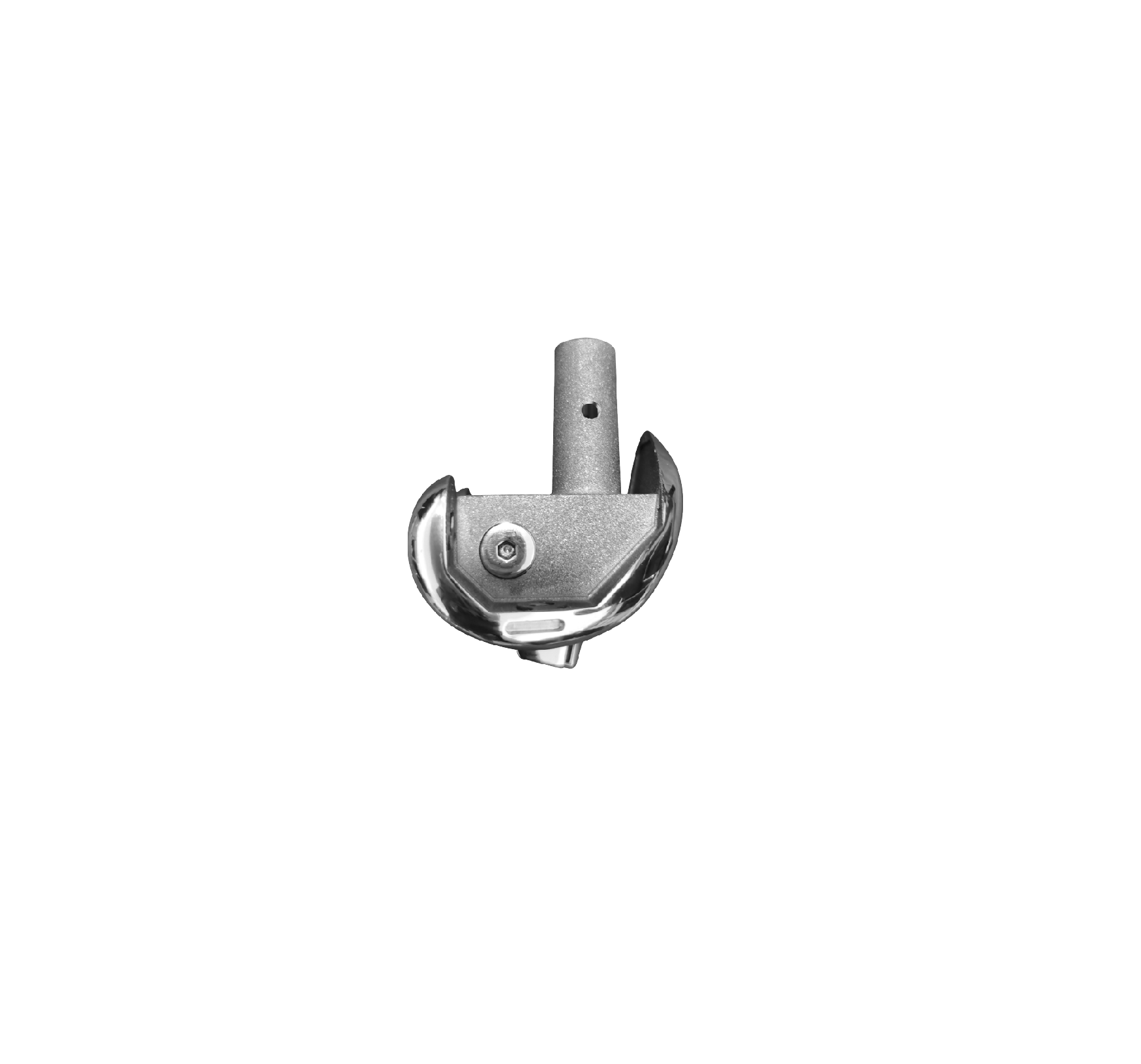
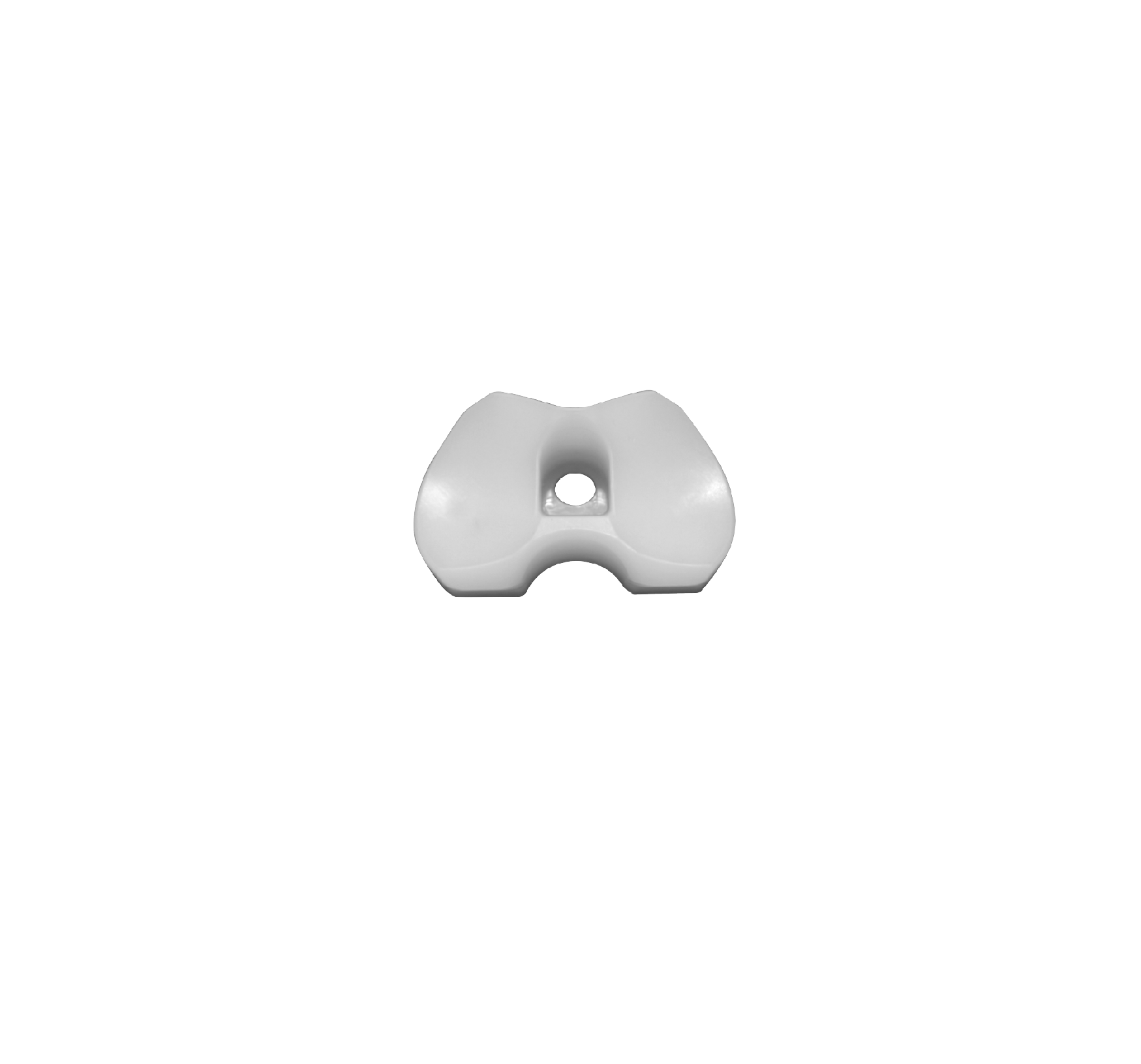
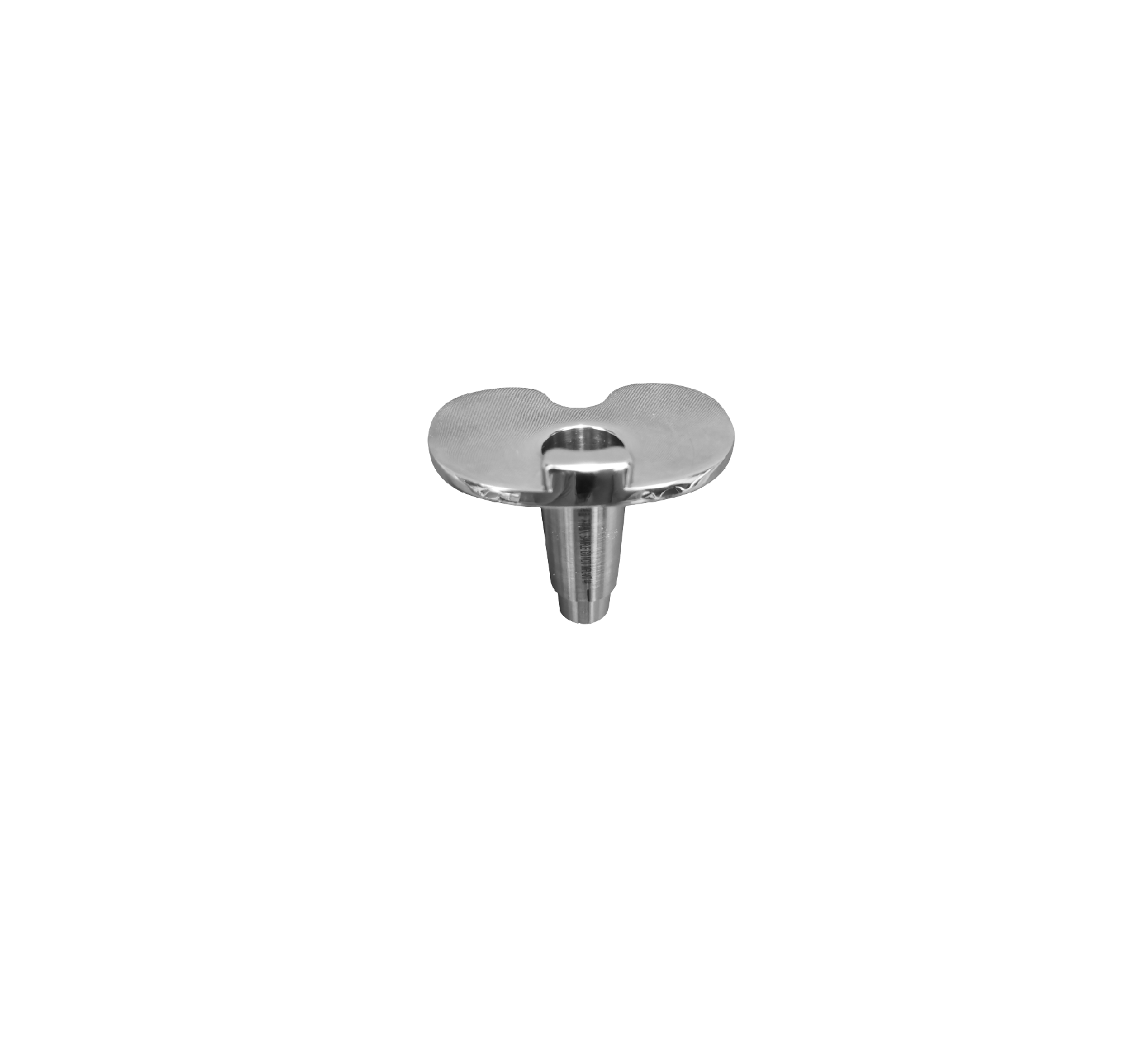
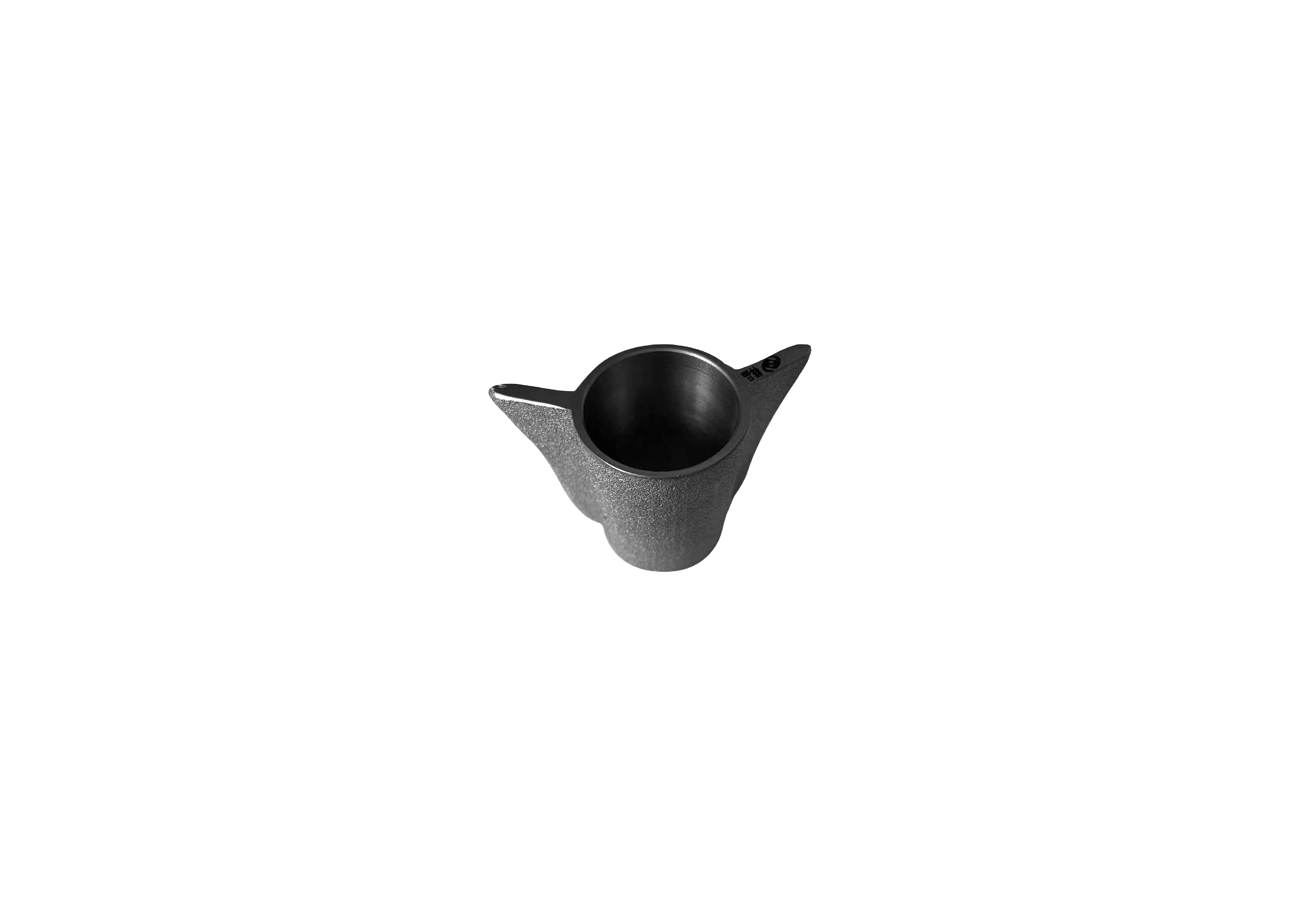
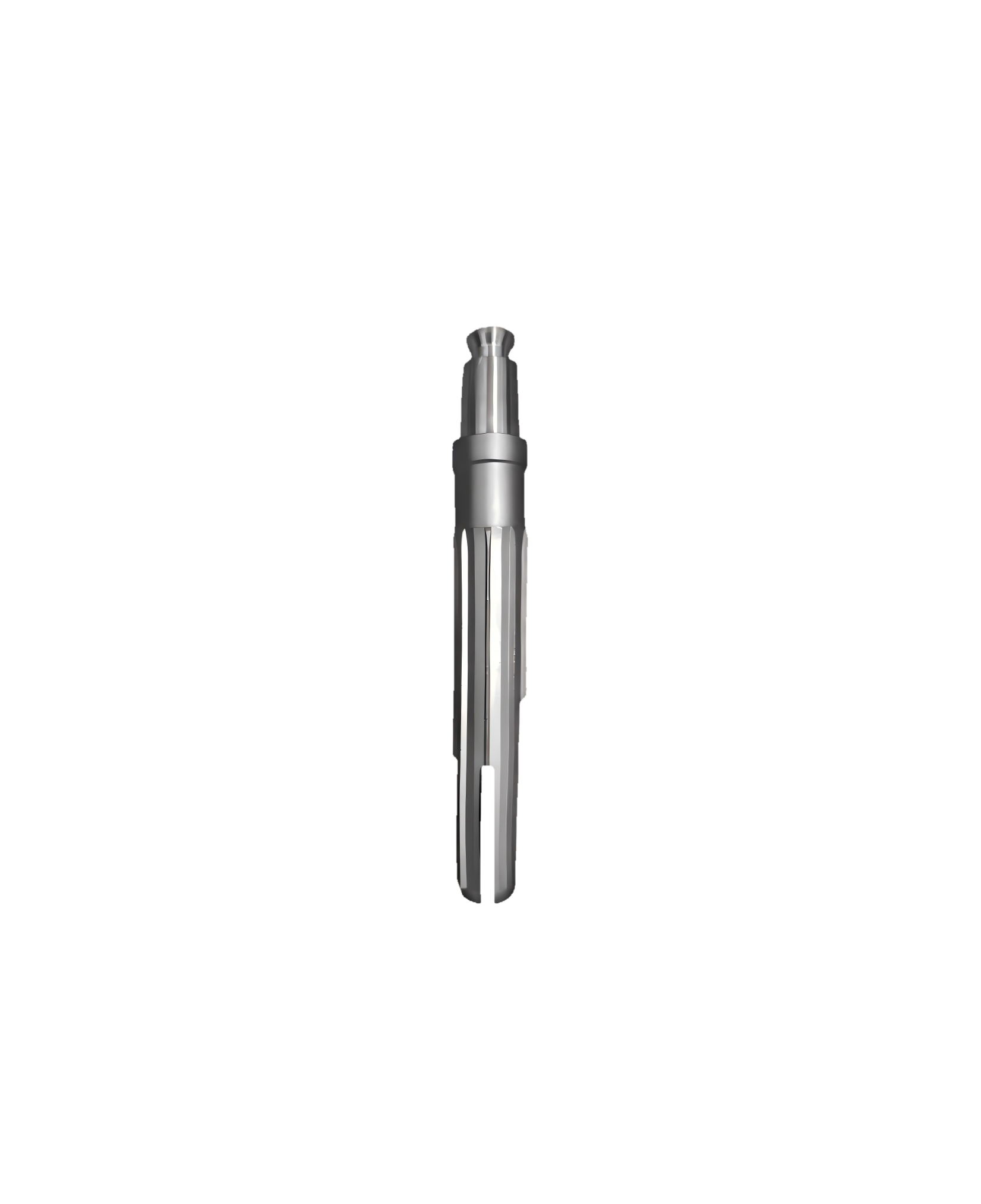
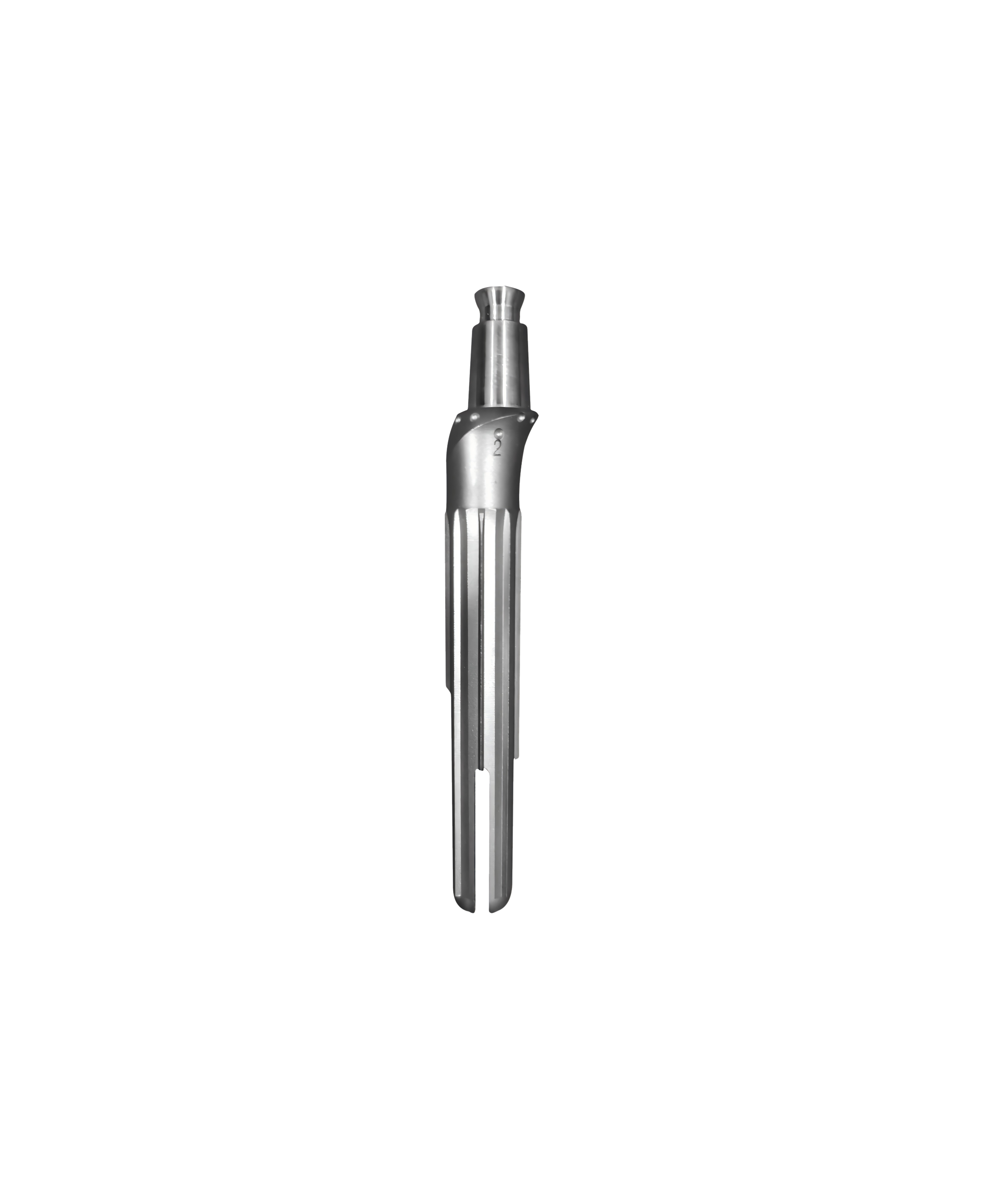
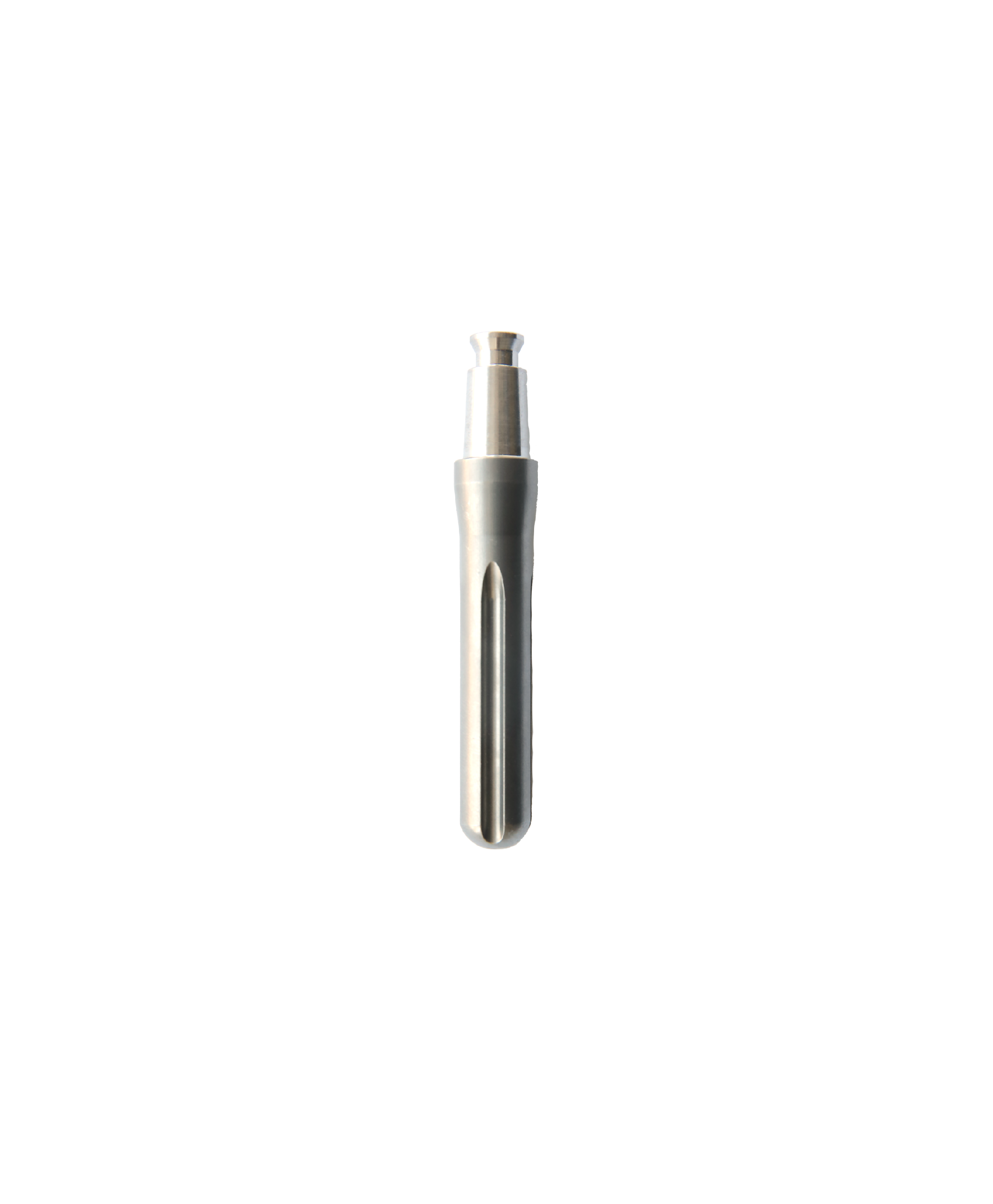
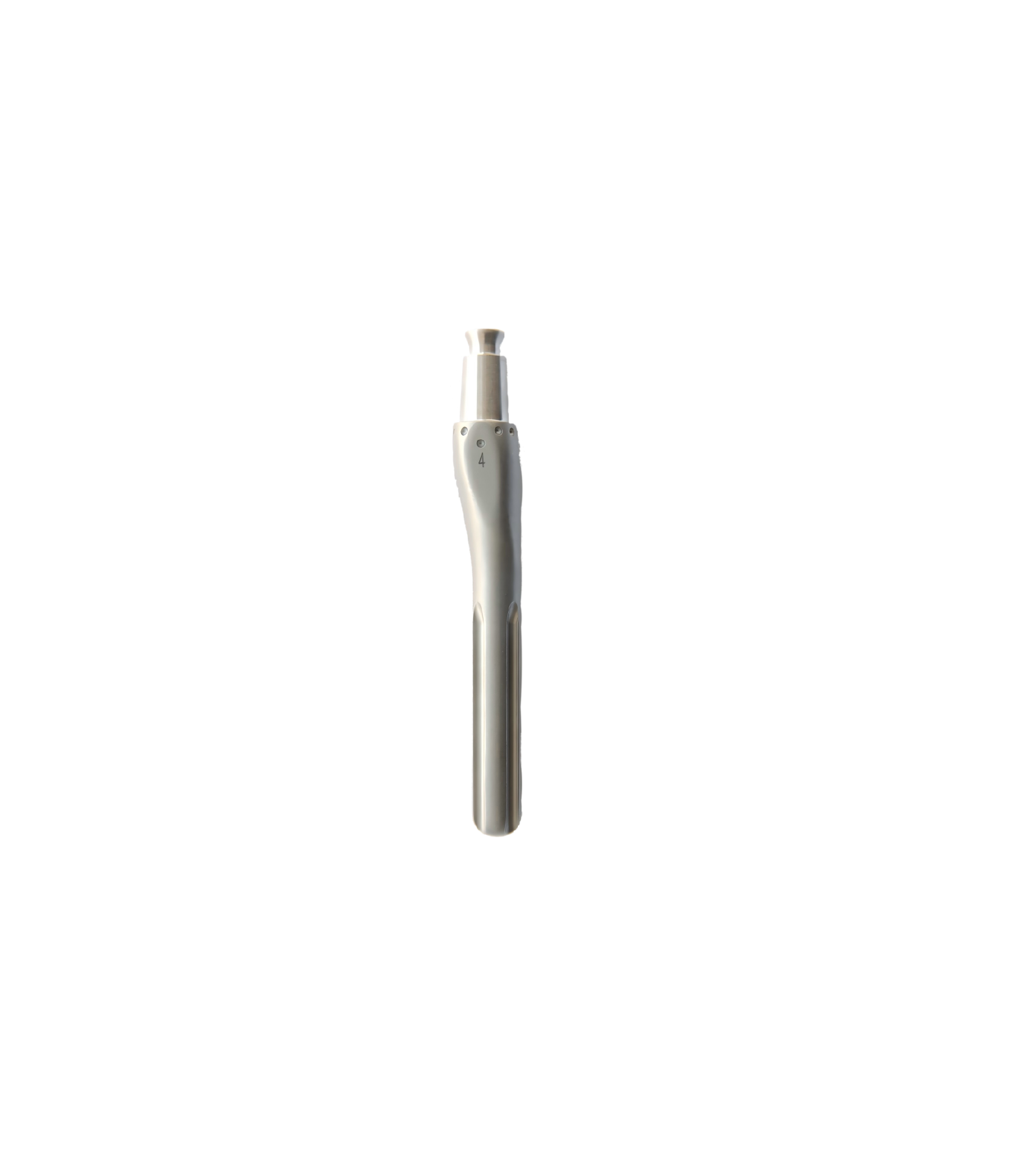
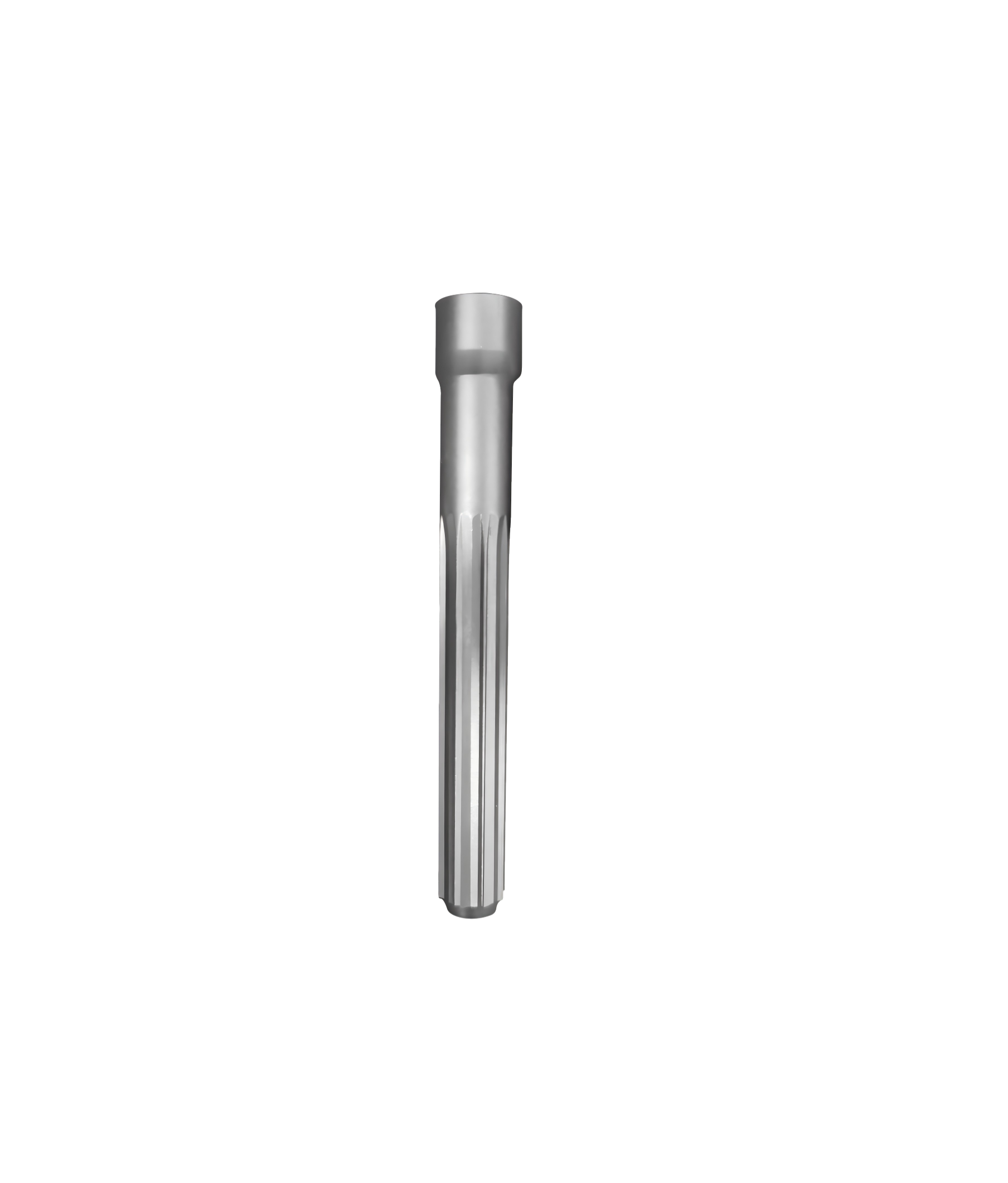
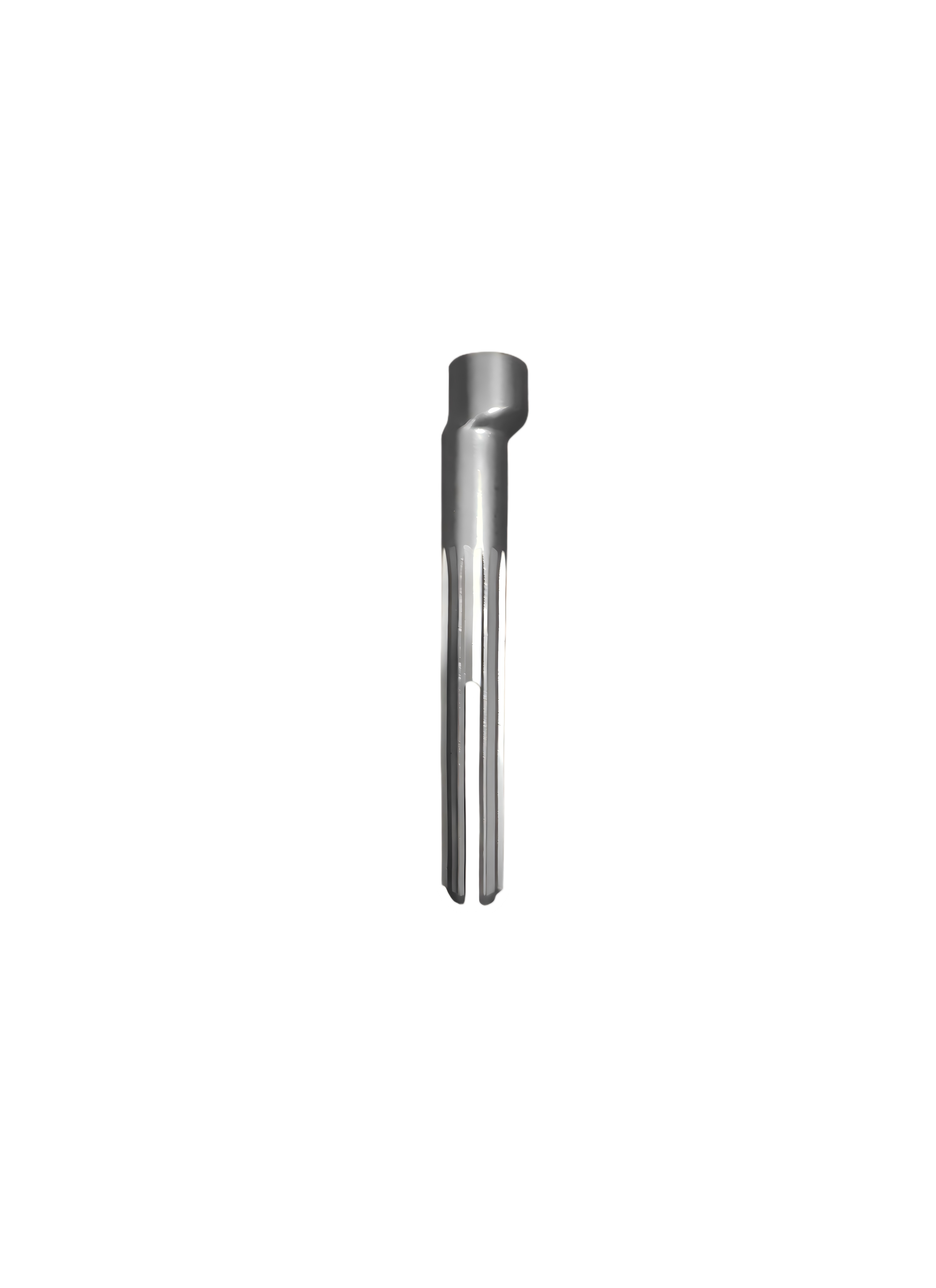
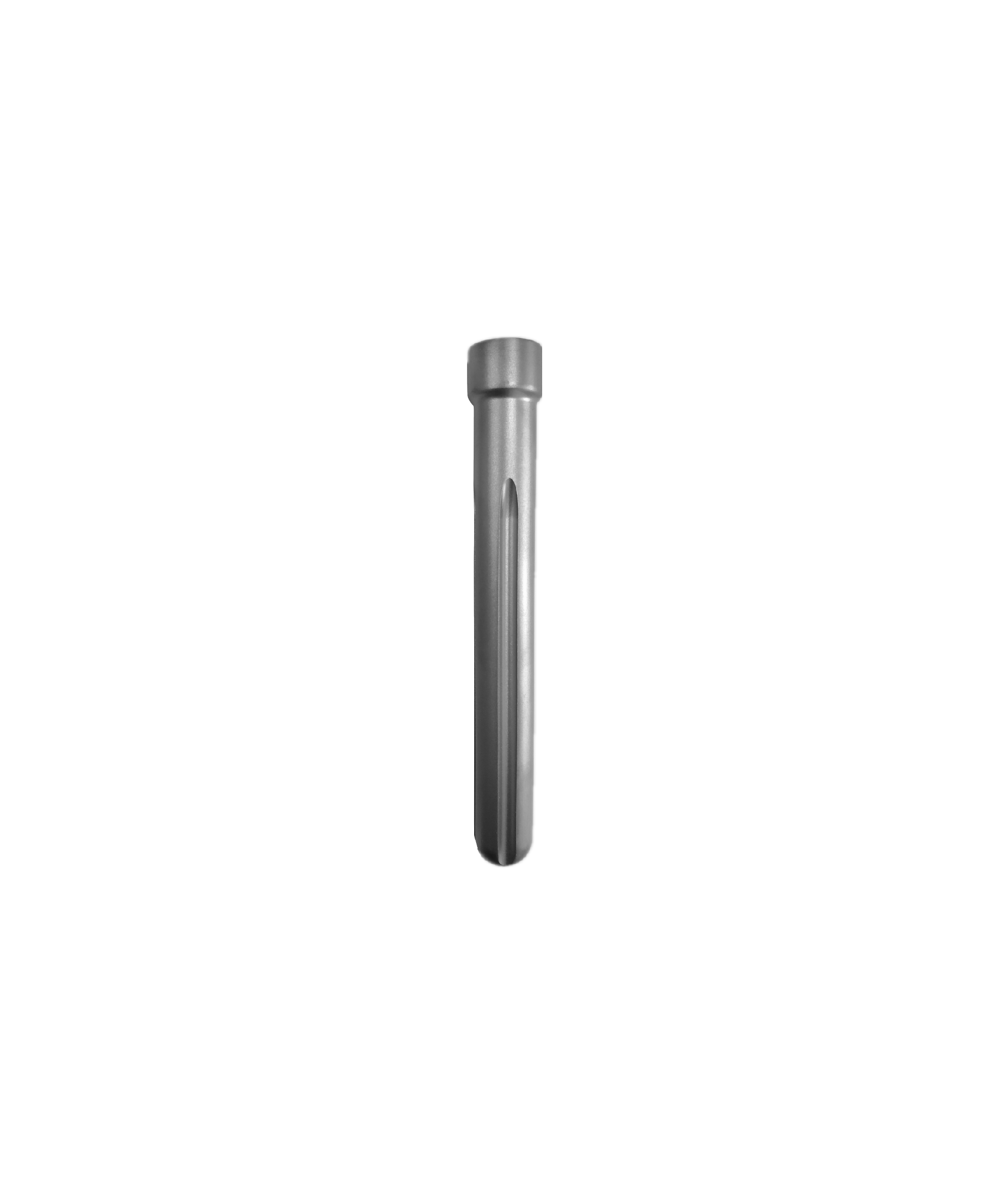
This product consists of a femoral condyle, tibial tray, tibial insert, long screws, intramedullary pins, winged sleeves, and fixation screws; the femoral condyle is assembled from femoral condyle components, intercondylar polyethylene liners, three-way sleeves, plastic sleeves, positioning screws, and fixation screws. The femoral condyle components and tibial tray are made of cast cobalt-chromium-molybdenum alloy (YY 0117.3); three-way sleeves, positioning screws and long screws of forged cobalt-chromium-molybdenum alloy (YY 0605.12); tibial insert, intercondylar polyethylene liners and plastic sleeves of Type 2 UHMWPE (GB/T 19701.2); fixation screws and intramedullary pins of forged TC4 titanium alloy (YY 0117.1); winged sleeves of TC4ELI titanium alloy (YY/T 1701) via electron beam melting. All components are gamma-ray sterilized with a 5-year sterile shelf life.
Scope of Application
Compatible with components of the same system from the enterprise, it is indicated for total knee arthroplasty and revision procedures; the intramedullary pins are available in cemented and cementless types, while all other components are intended for use as cemented prostheses.
Product Features
★ Modular hinge mechanism: Load is borne by the tibial tray, reducing wear on the hinge polyethylene.
★ Rotating platform design: Offsets torsional load exerted on soft tissues by the bone cement surface during prosthesis movement via rotation.
★ Maximum 40 mm "jump height": Prevents subluxation caused by mid-flexion instability after knee surgery.
★ Optimized stress transfer design: Ensures uniform force distribution and long-term stable prosthesis performance.
★ Cross-slot decompression design at extension stem tip: Reduces intramedullary extension stem stiffness and lowers the incidence of stem tip pain.
Product Advantages
• Rotating hinge knee joint prosthesis: Designed based on the fixed-axis theory and following the principles of low wear, rotatability and self-stability, it effectively ensures the flexion, extension and rotation functions of the knee joint.
• Optimized tibial post structure: The tibial tray can be connected with an eccentric extension stem to position the tibial prosthesis, thus achieving optimal adaptation to the medullary cavity morphology.