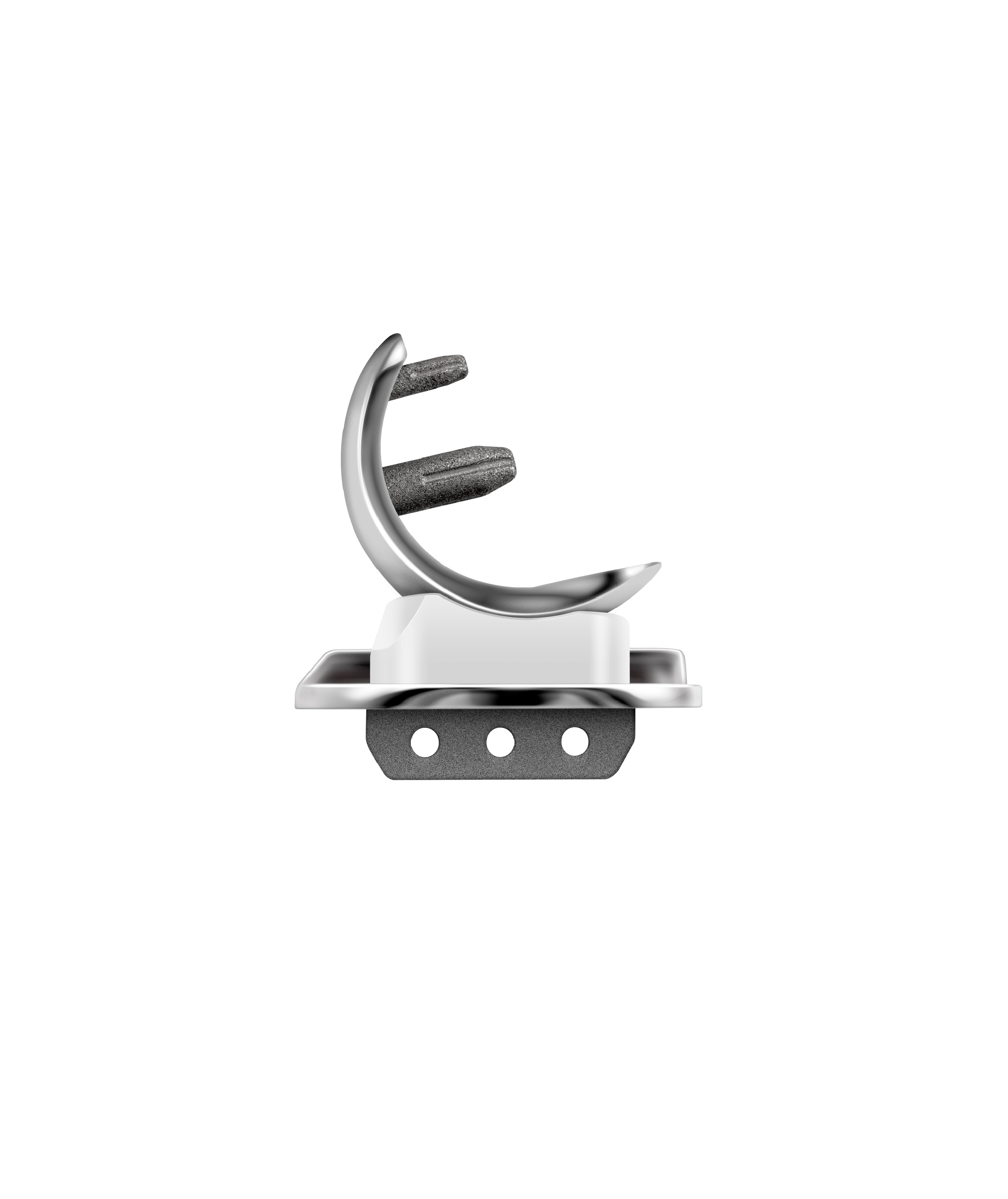
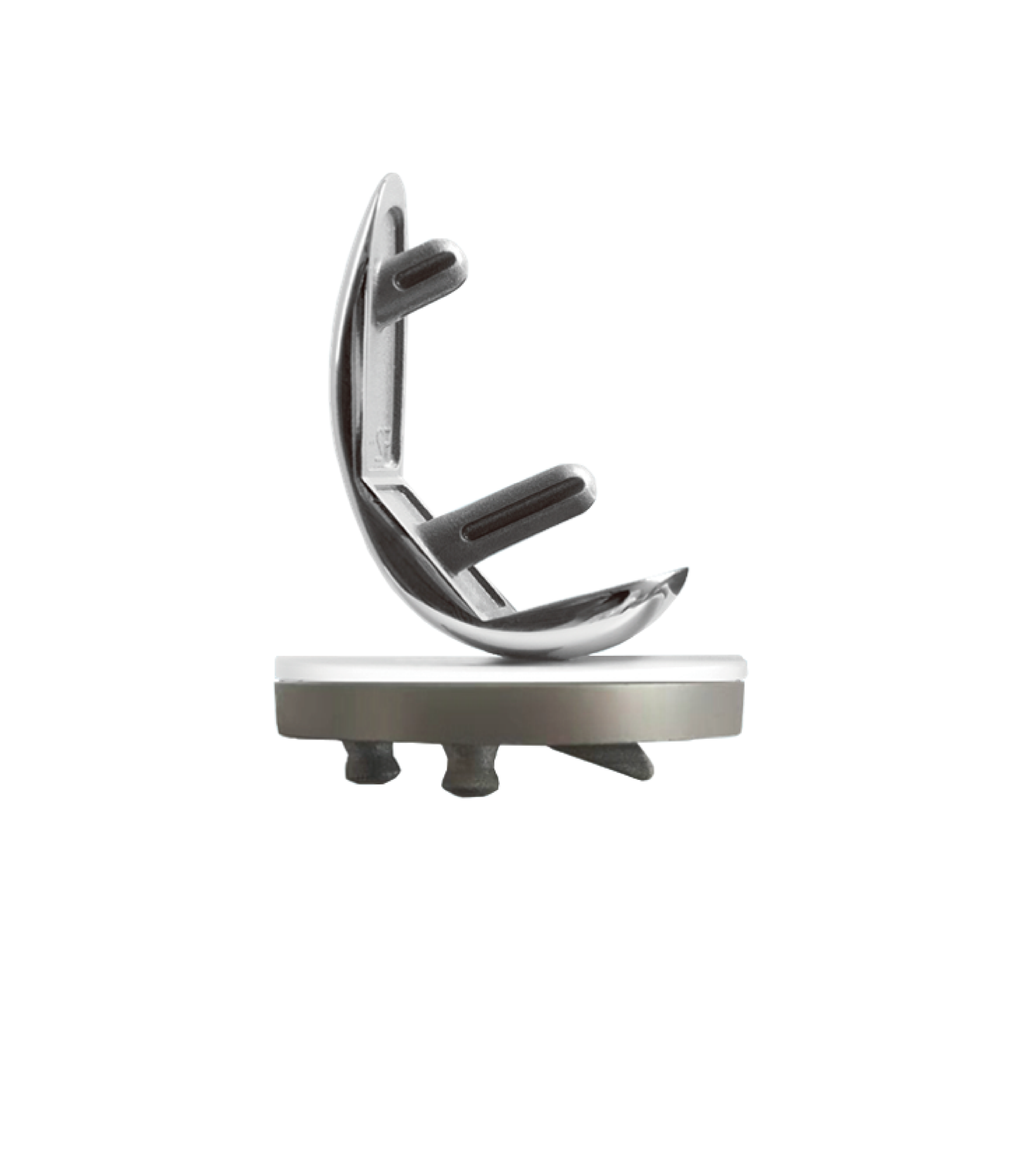
★XK Unicompartmental Knee Prosthesis (Mobile Bearing)
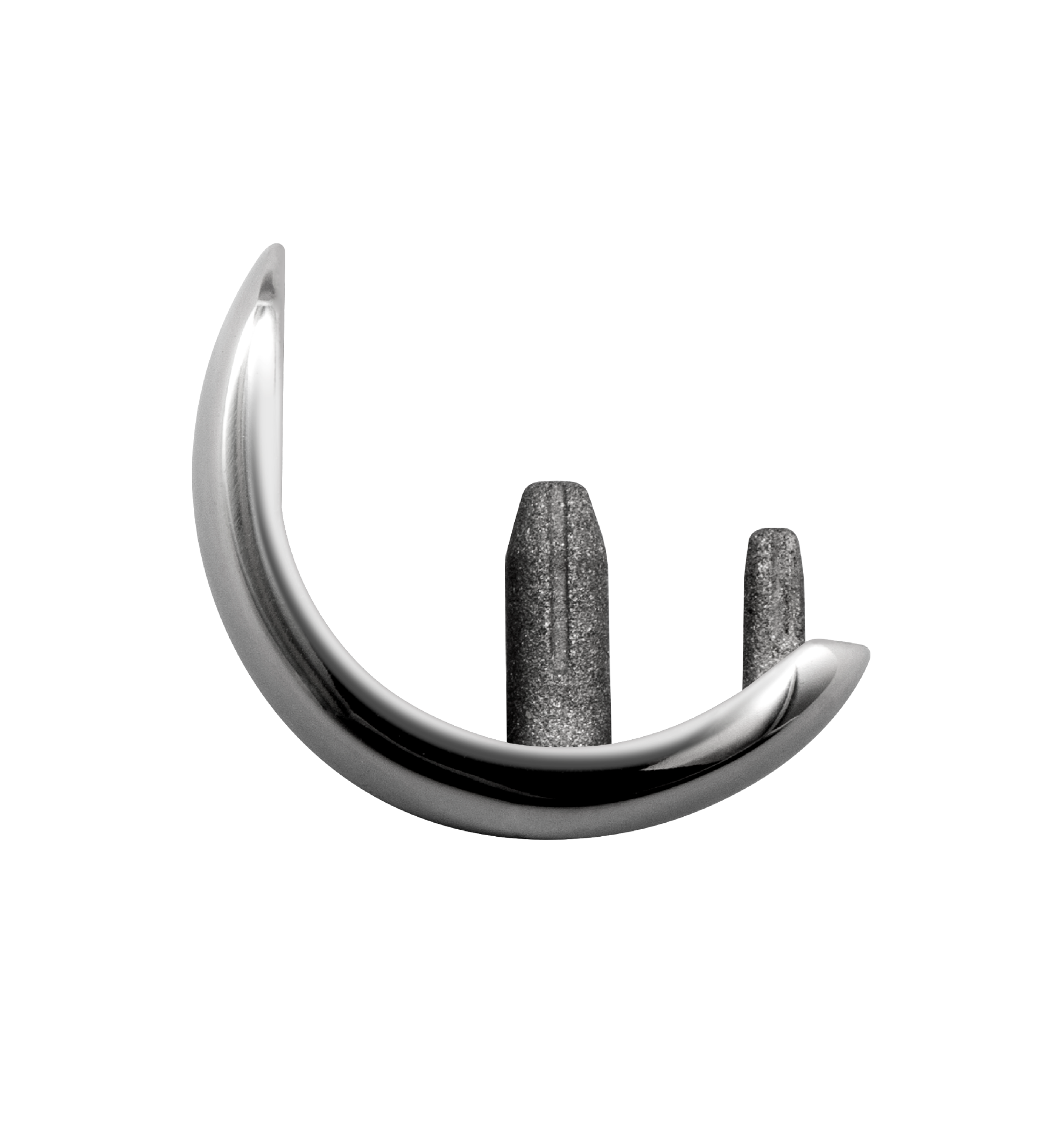
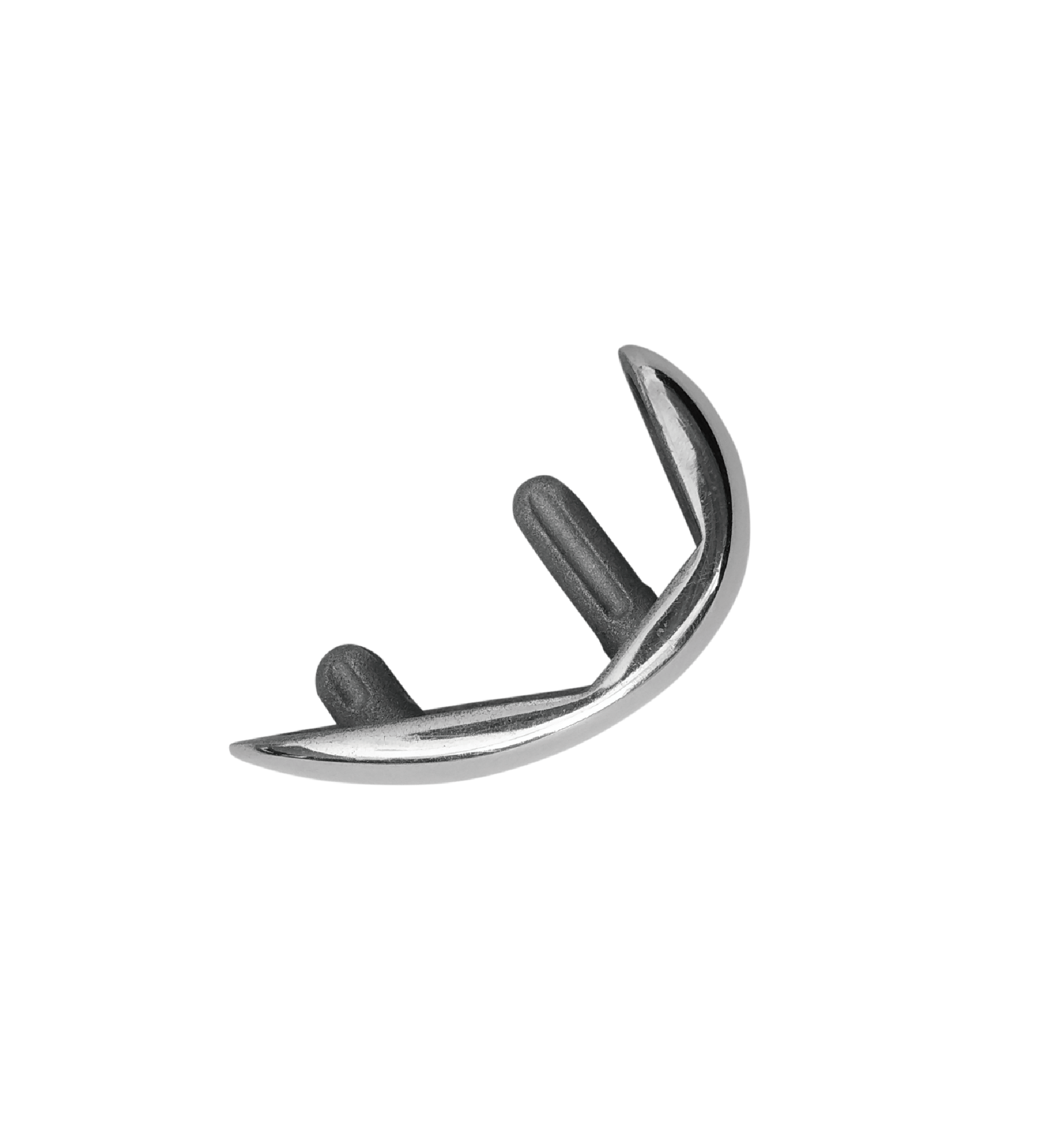
1.Femoral condyle:
(1)Spherical articular surface with a single radius: Ensures minimal contact stress during omnidirectional movement, with no edge stress.
(2)Dual-post design: Enhances prosthetic rotational stability and reduces the risk of prosthetic loosening.
(3)High-tolerance design: Allows for a safe range of 10° of varus and valgus alignment.
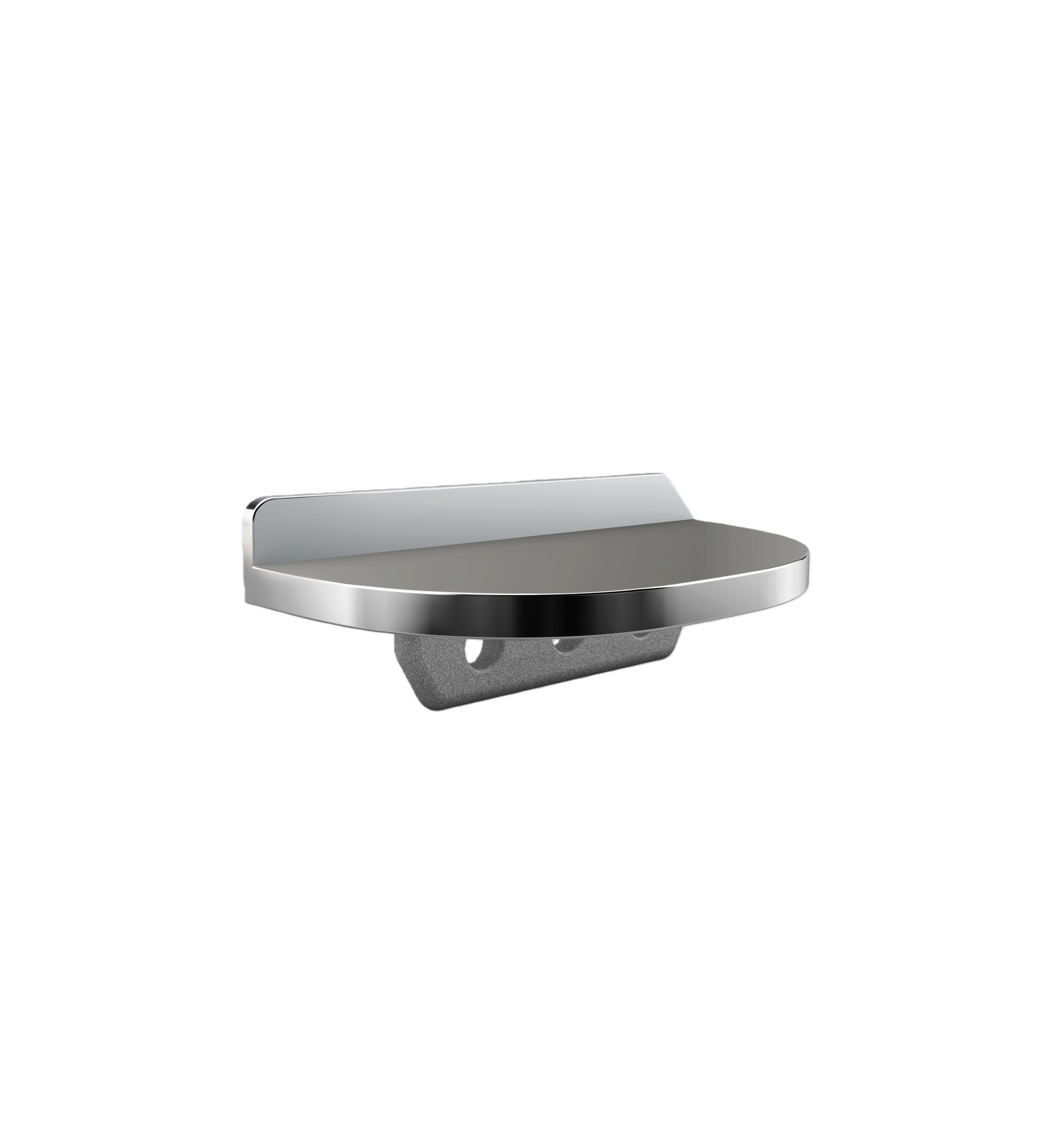
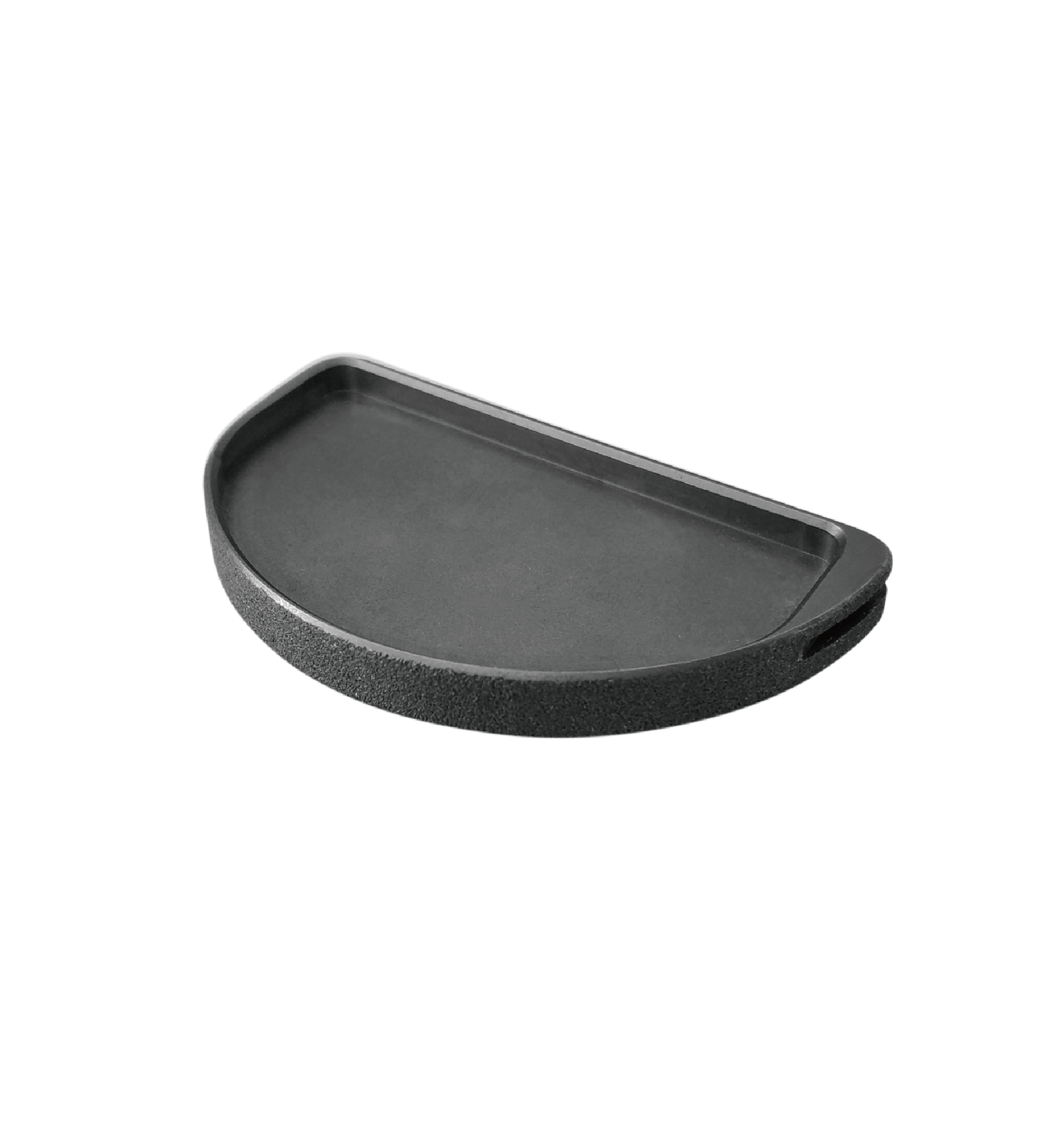
2.Tibial plateau support:
(1)Highly polished design of the articular surface and edges of the tibial tray: Minimizes wear of the tibial insert and reduces irritation and damage to the surrounding soft tissues.
(2)Porous design of the tibial tray flange: Facilitates uniform distribution of bone cement and enhances the stability of the prosthesis after implantation.
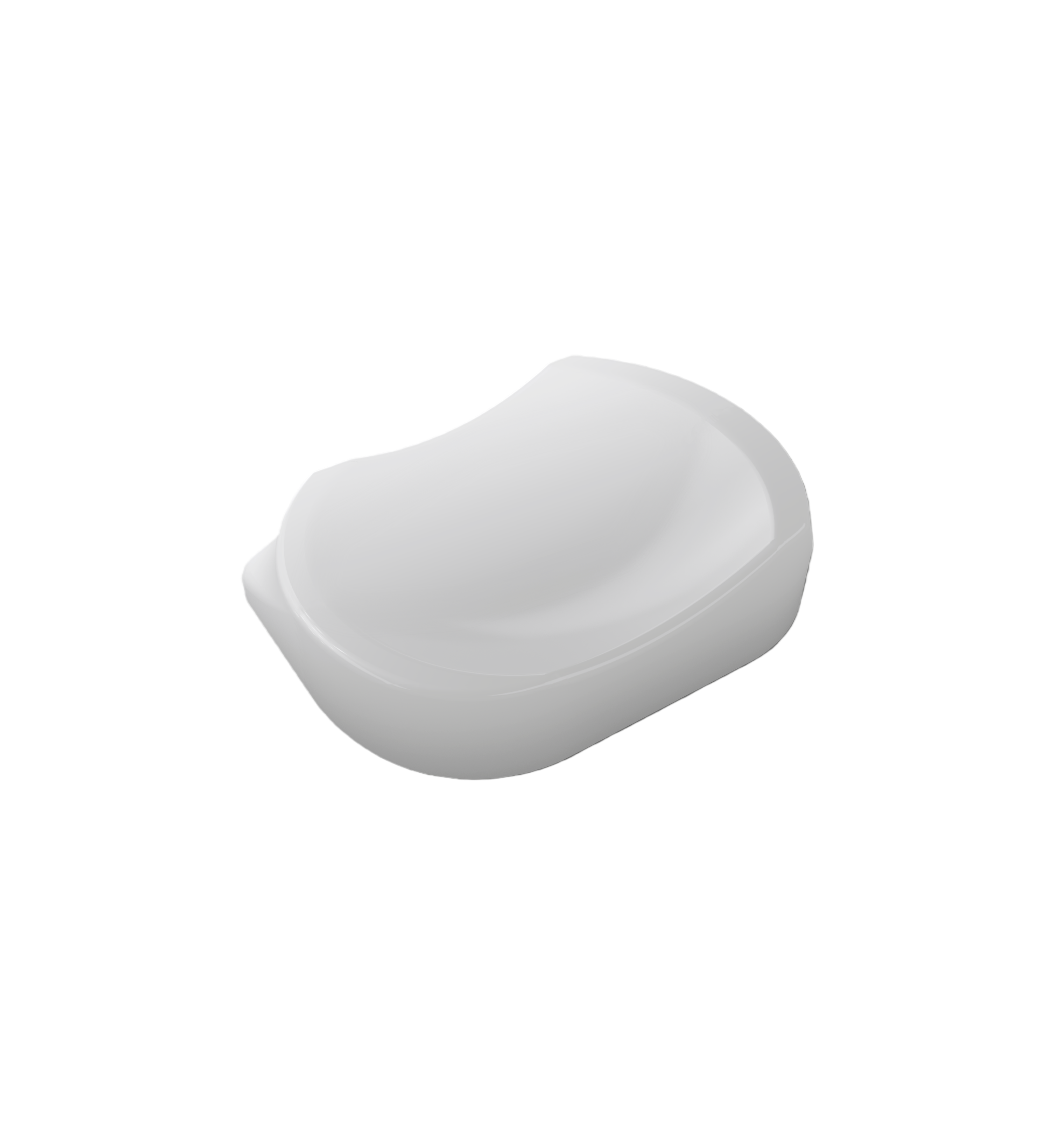
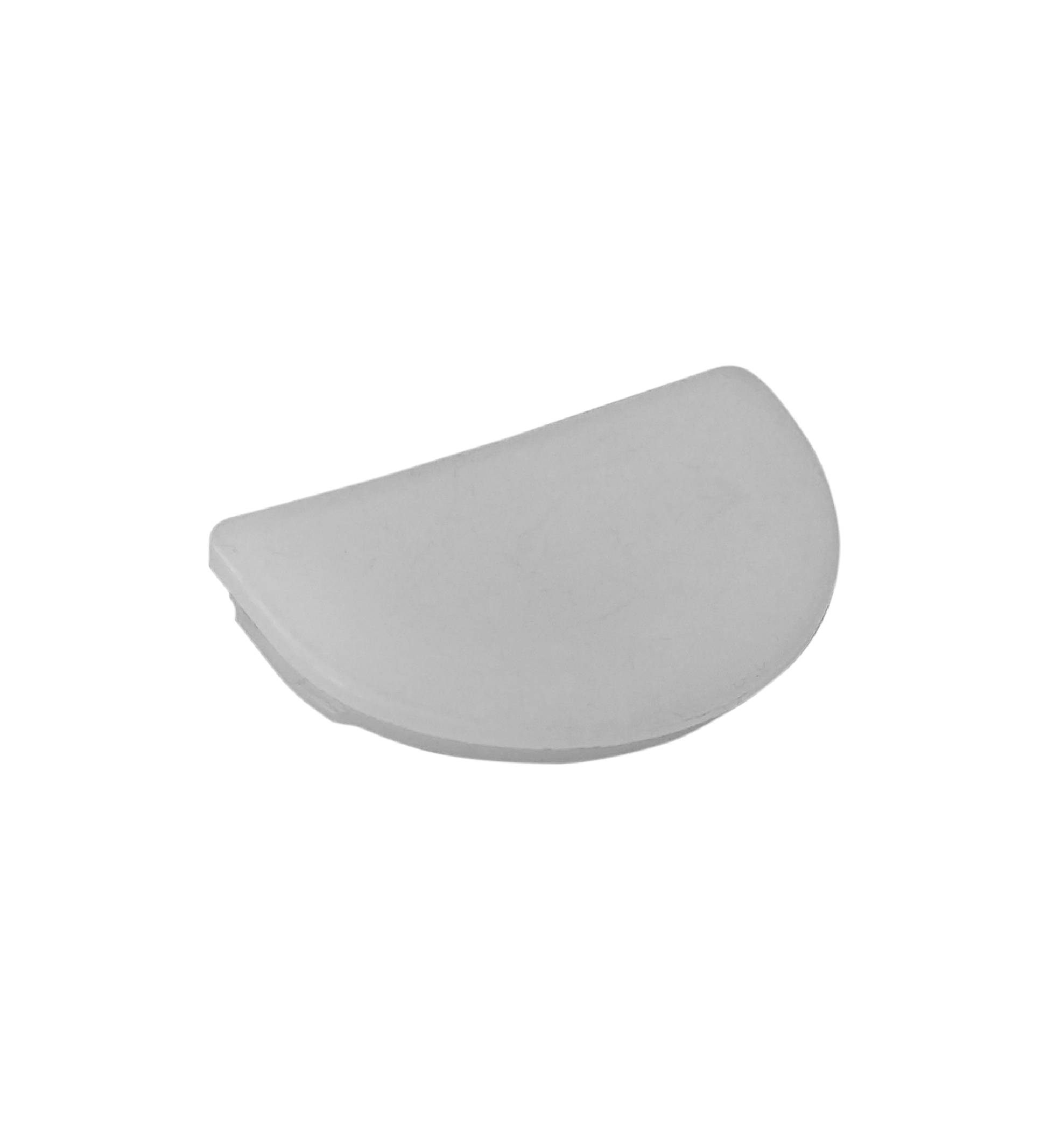
3.Tibial plateau padding:
(1)True spherical articular surface design: Matches one-to-one with the femoral condyle of the corresponding model, achieving uniform distribution of stress on the femoral side.
(2)Unconstrained design of the tibial insert: Ensures full consistency with the femoral condyle during omnidirectional movement, maximizing the conformity of the entire articular surface at different movement angles.
★ XG Unicompartmental Knee Prosthesis (Fixed Bearing)
1.Femoral condyle:
(1)15° included angle design between the posterior condylar plane and dual posts: Enhances prosthetic stability after implantation.
(2)Anatomical design: Maximally replicates and restores the natural physiological structure of the knee joint.
(3)Multi-radius design of the articular surface: Ensures smoother and more stable joint movement.
(4)Posterior extension design of the femoral posterior condyles: Provides stable flexion up to 155°.
(5)Unconstrained design: Allows for a safe range of 8° of varus and valgus alignment.
2.Tibial plateau support:
(1)Dual-post + fin bionic design: Effectively prevents transverse and longitudinal displacement of the tibial tray, reducing the risk of postoperative tibial tray loosening.
(2)Anatomical design: Maximally replicates and restores the natural physiological structure of the knee joint.
3.Tibial plateau pad:
(1)Precise and stable locking design: Reduces micromotion after implantation.
(2)Thickness adjustable in 1mm increments: Delivers optimal ligament tension.